Why Choose Car Hire in France Without Deposit
France remains one of Europe's most visited destinations, with millions of travellers exploring everything from the lavender fields of Provence to the wine regions of Bordeaux, the French Alps, and the Mediterranean coastline. Renting a car in France gives you freedom to discover both iconic landmarks and hidden villages at your own pace. When you choose car hire without deposit through our platform, you eliminate the need for large upfront security payments or credit card holds that can freeze your travel budget for weeks.
Traditional car rental in France often requires deposits of 500 to 1500 euros blocked on your credit card. For travellers on a budget, families, or those using debit cards, this presents a significant barrier. Our no deposit car rental service in France connects you with local suppliers who offer flexible payment terms - you pay the rental fee online in advance, and at pickup, only the vehicle is checked. No deposit, no credit card freeze, no unexpected charges weeks after your trip ends.
Car Hire Across France - Major Cities and Regions
France's diverse geography means different vehicle types suit different regions. In Paris, compact and economy cars navigate narrow streets and limited parking. In Lyon, a mix of economy and mid-size vehicles handles both city driving and excursions to nearby Beaujolais wine country. Renting a car in Nice or along the Cote d'Azur calls for convertibles and compact cars perfect for coastal drives, while Bordeaux visitors often choose estate cars or SUVs for vineyard tours and trips to Atlantic beaches.
The French motorway network - autoroutes - is excellent but tolled. A GPS or smartphone navigation is essential, as rural signage can be sparse. Most car hire companies in France provide vehicles with manual transmission by default; automatic cars cost more and must be requested in advance. Fuel is widely available, with stations in every town, though prices are higher than in many other European countries. Diesel remains popular for long-distance travel due to better fuel economy.
Driving in France - Rules, Licences, and Practical Tips
France drives on the right side of the road. Speed limits are strictly enforced by automated cameras: 50 km/h in towns, 80-90 km/h on rural roads, 110 km/h on dual carriageways, and 130 km/h on autoroutes. In wet weather, these limits reduce by 10-20 km/h. The minimum driving age for car rental in France is typically 21 years, though drivers under 25 may face young driver surcharges and vehicle restrictions - luxury and high-performance cars are usually unavailable to those under 25.
You must hold a valid driving licence for at least one year. EU licences are accepted without question. Non-EU drivers - including those from the UK, USA, Canada, Australia - should carry an International Driving Permit alongside their national licence, although enforcement varies. French traffic police are professional but strict: drink-driving limits are low at 0.5 g/l, seatbelts are mandatory for all passengers, and mobile phone use while driving - even hands-free - is restricted. All vehicles must carry a warning triangle and high-visibility vest, which rental cars include as standard.
No Deposit Car Rental - How It Works
When you book through Car Rental No Deposit for France, the process is straightforward. First, select your pickup location - major cities like Lyon, Nice, Bordeaux, or Paris Charles de Gaulle Airport - and enter your travel dates. The search results show vehicles available without deposit from our partner suppliers. You compare prices, vehicle types, and terms, then book online with full prepayment by card. Your booking confirmation includes a voucher with all details: pickup address, opening hours, vehicle specifications, included mileage, and insurance coverage.
At pickup, you present your voucher, driving licence, and passport or ID card. The rental company inspects the vehicle with you, notes any existing damage on the contract, and hands over the keys. No additional deposit is required, though you may be offered optional extras like additional insurance, GPS, or child seats - these are not mandatory. At return, the car is inspected again, fuel level checked against the contract, and if all is in order, you simply leave the keys and go. The transaction is complete.
Vehicle Types Available in France
Economy cars - Renault Clio, Peugeot 208, Citroen C3 - are the most popular choice for city breaks and short trips. They are affordable, fuel-efficient, and easy to park in tight French town centres. Compact cars like the Volkswagen Golf or Renault Megane offer more boot space for families or longer trips. For those planning extensive travel through wine regions or coastal routes, estate cars and mid-size sedans provide comfort for four adults plus luggage.
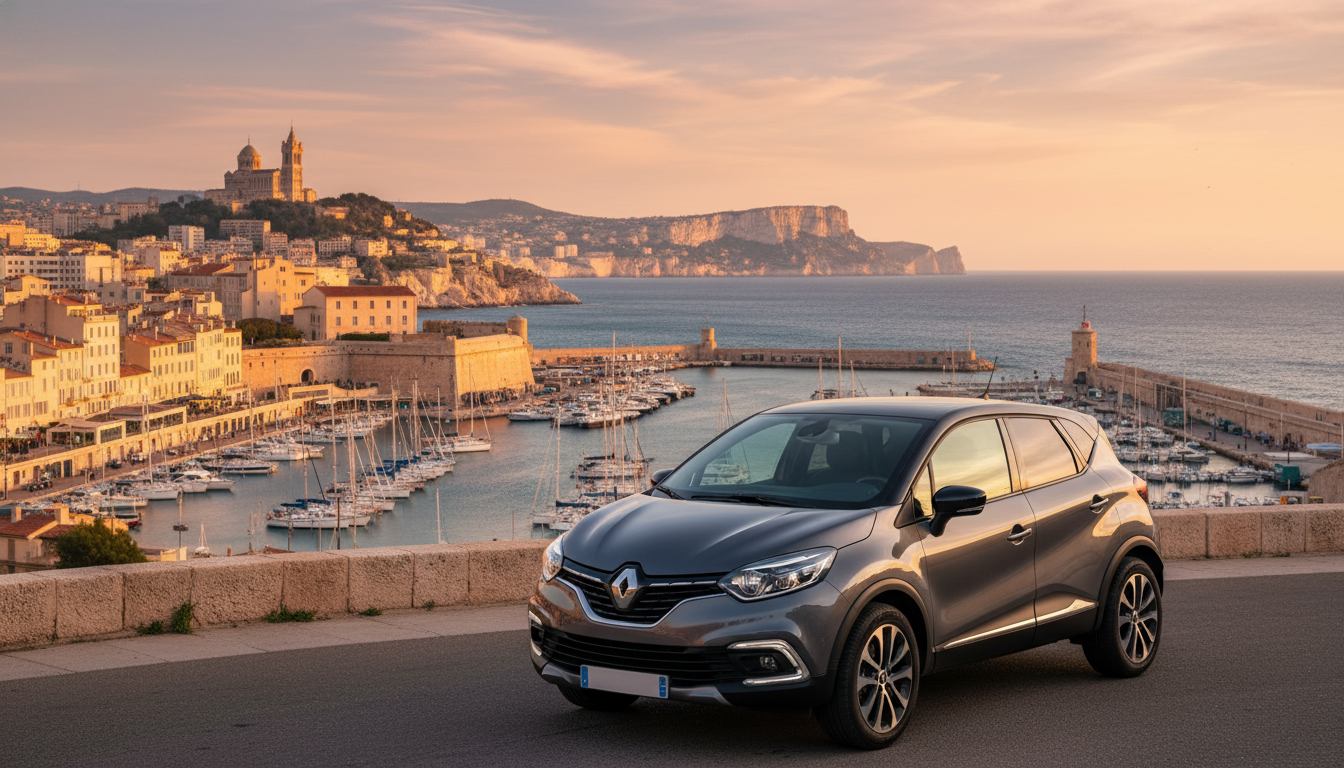
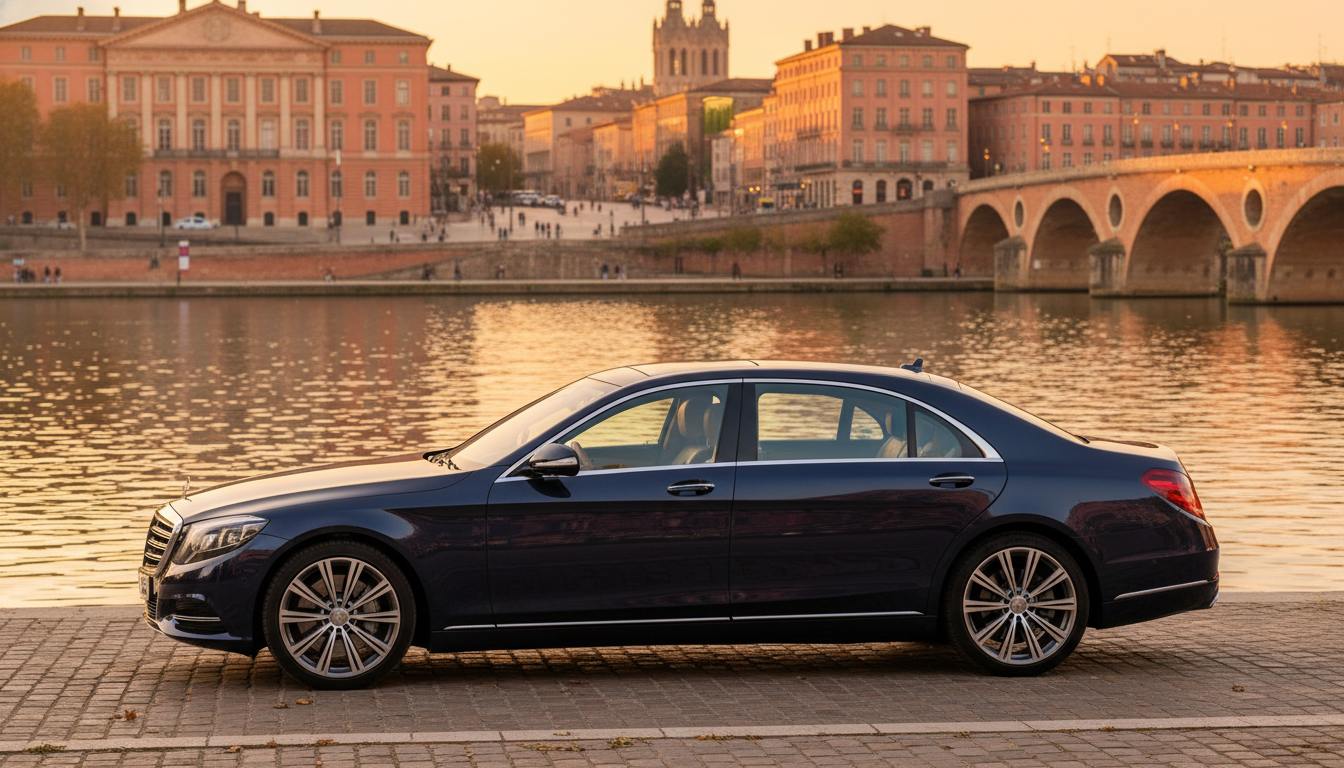
SUVs and 4x4 vehicles are ideal for Alpine skiing trips or exploring rural areas with unpaved roads, though they are more expensive and consume more fuel. Luxury car hire in France - Mercedes, BMW, Audi - is available in major cities and airports, popular with business travellers and those celebrating special occasions. Minivans and 7-9 seater vehicles suit larger families or groups, particularly for long-distance travel. Convertibles are a popular choice for summer drives along the Mediterranean coast from Nice to Marseille.
Insurance, CDW, and Full Coverage Options
All rental cars in France include basic third-party liability insurance as required by law. Most no deposit rentals also include Collision Damage Waiver - CDW - which limits your financial responsibility in case of accident or theft, typically to an excess of 500 to 1500 euros. This excess is NOT a deposit - it is the maximum you would pay if the vehicle is damaged. Some travellers choose to purchase additional coverage to reduce this excess to zero, either through the rental company or third-party insurers.
Read your booking voucher carefully to understand what is included. Terms like "full coverage" or "super cover" can mean different things with different suppliers. Standard CDW usually excludes damage to tyres, windscreen, undercarriage, and roof. If you plan to drive in remote areas or on mountain roads, consider purchasing additional protection. Always inspect the vehicle thoroughly before leaving the rental lot and photograph any existing damage, no matter how minor. This protects you from disputes at return.
Booking Car Hire in Lyon - France's Gastronomic Capital
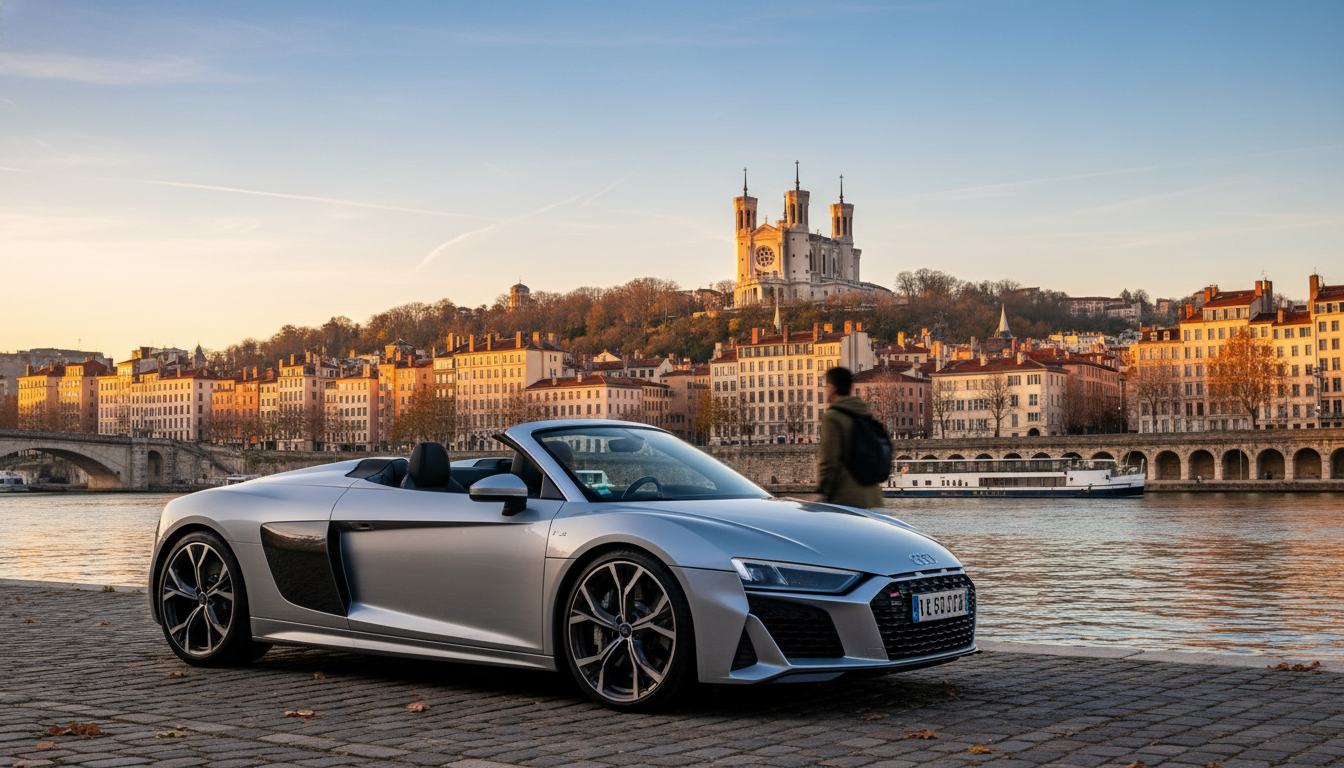
Lyon is France's third-largest city and a UNESCO World Heritage Site. Car hire in Lyon is popular for exploring the surrounding Beaujolais wine region, the medieval town of Perouges, and the Alps to the east. Lyon-Saint Exupery Airport is the main pickup point, with numerous car rental companies in Lyon offering competitive rates. The city itself has good public transport, so many visitors collect their car and head straight to the countryside.
Lyon's old town - Vieux Lyon - has narrow cobbled streets unsuitable for large vehicles. If you plan to explore the city centre, choose a compact car. For trips to ski resorts like Chamonix or Annecy, a larger vehicle or SUV with winter tyres may be required between November and March. Car rental companies in Lyon typically include unlimited mileage on longer bookings, making multi-day tours affordable. Parking in Lyon city centre is expensive and limited; use park-and-ride facilities on the outskirts and take the metro into the centre.
Renting a Car in Nice - Gateway to the French Riviera
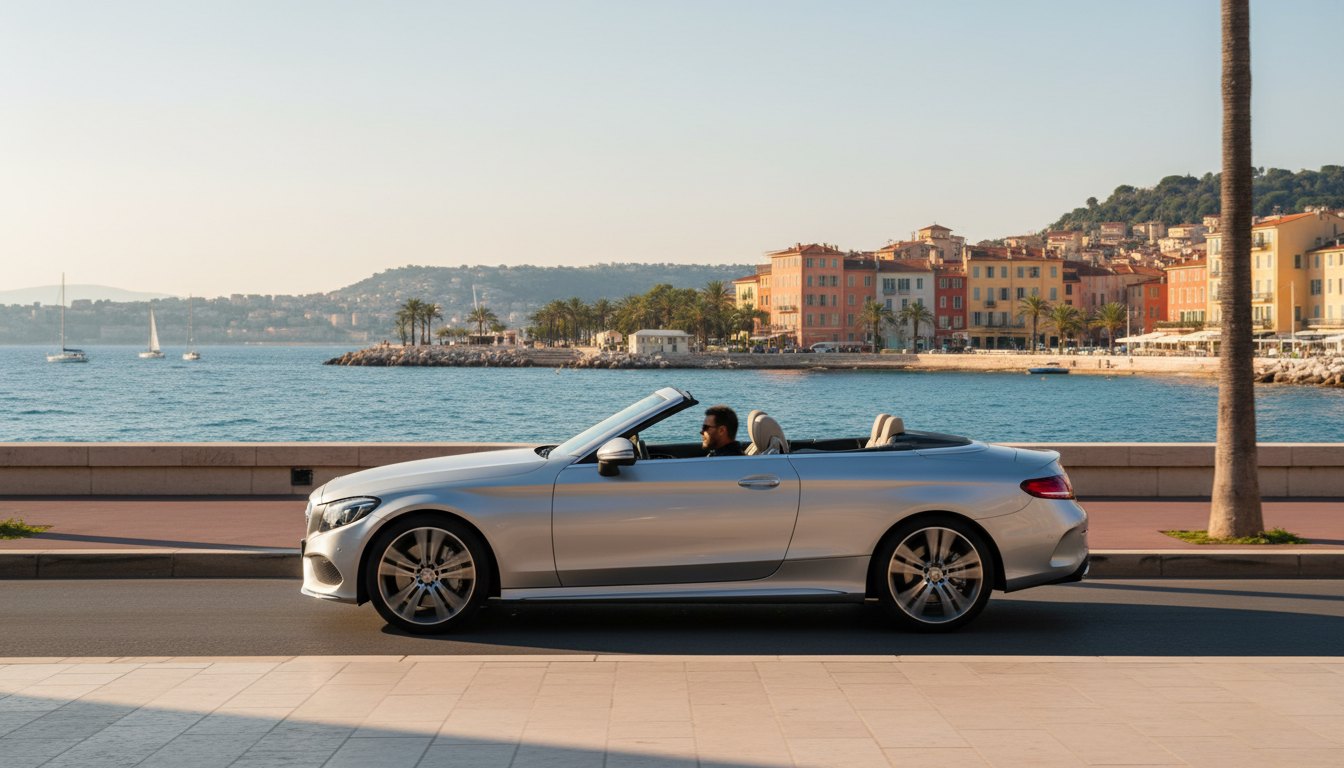
Nice is the heart of the Cote d'Azur, and car hire in Nice opens up the entire French Riviera - from Monaco and Cannes to hilltop villages like Eze and Saint-Paul-de-Vence. Nice Cote d'Azur Airport is one of France's busiest, with all major car hire companies represented. Renting a car in Nice is particularly popular in summer when coastal roads and scenic routes like the Grande Corniche attract thousands of visitors.
Traffic in Nice and along the coast can be heavy, especially in July and August. Parking is expensive and spaces are scarce. Many travellers choose to stay outside the city centre and use their rental car for day trips rather than urban driving. The drive from Nice to Monaco takes 30 minutes; to Cannes, 40 minutes. Inland routes to Grasse, the perfume capital, and Gorges du Verdon offer dramatic scenery and less congestion. Convertibles are popular for coastal drives, but book well in advance during peak season.
Car Hire in Bordeaux - Wine Country and Atlantic Coast
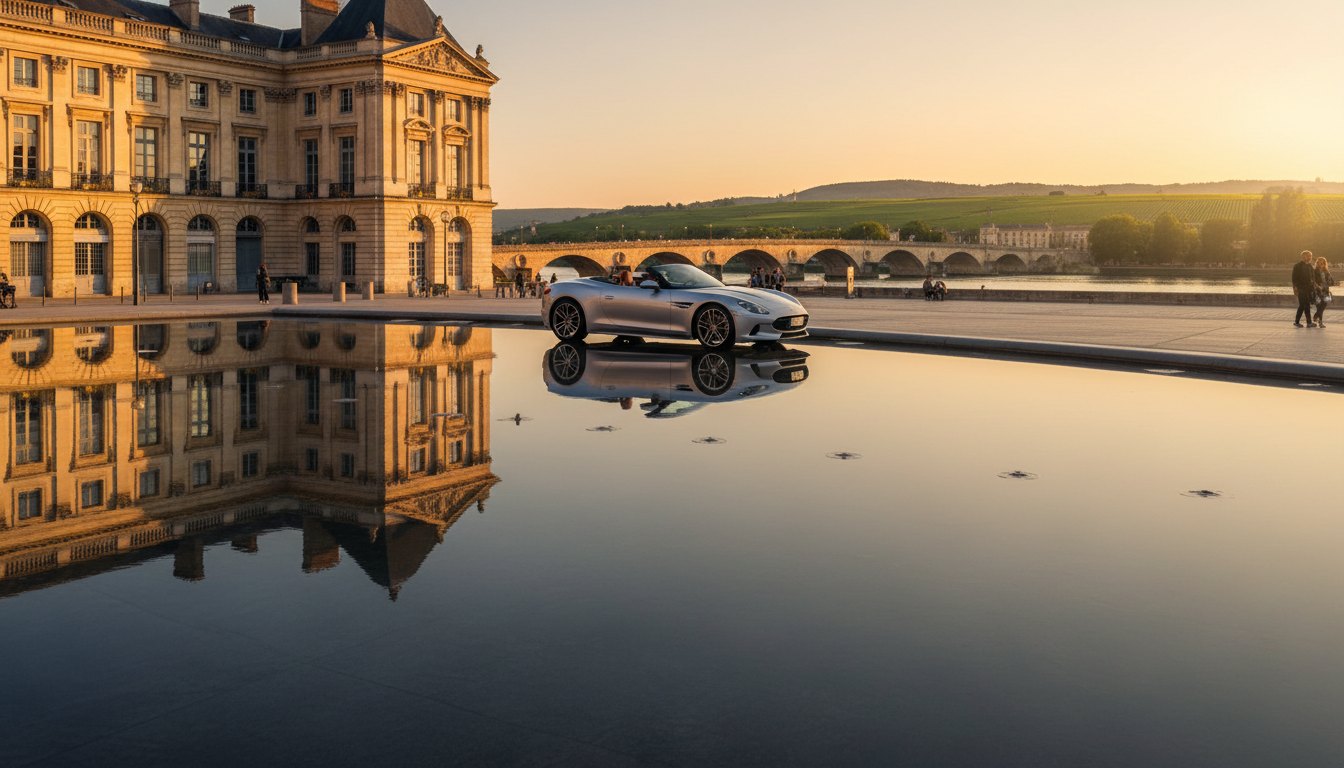
Bordeaux is synonymous with wine, and car hire in Bordeaux is the best way to explore the vineyards of Medoc, Saint-Emilion, and Graves. Bordeaux-Merignac Airport serves the region, and the city centre is compact and walkable. Most visitors collect their car at the airport and drive directly to wine estates, many of which require advance booking for tours and tastings.
Renting a car in Bordeaux also gives access to the Atlantic coast - the Dune du Pilat, Europe's tallest sand dune, is 60 km west, and the surfing beaches of Lacanau and Hossegor are within two hours' drive. Bordeaux roads are generally excellent, though vineyard routes are narrow and winding. Estate cars are popular for transporting wine purchases. If you plan to buy cases of wine, ensure your rental car has adequate boot space and check customs limits for your home country.
Fuel, Tolls, and Running Costs
Fuel in France is sold as unleaded petrol - essence or SP95/SP98 - and diesel - gazole. Diesel is cheaper and widely used for rental cars on longer trips. Prices fluctuate but are typically 1.70 to 2.00 euros per litre. Self-service stations are common; some accept cards at the pump, others require payment inside. Motorway service stations are open 24 hours but charge higher prices than town stations.
French autoroutes are tolled, and costs add up on long journeys. Paris to Lyon is around 40 euros; Nice to Lyon, 50 euros. Toll booths accept cash and cards. The electronic Telepeage system is faster but requires a subscription, not practical for short-term rentals. Budget for tolls in your trip planning - they can represent 10-15% of total travel costs. Alternative routes nationales are free but slower, passing through towns with traffic lights and lower speed limits.